The harms of sugar and where it hides
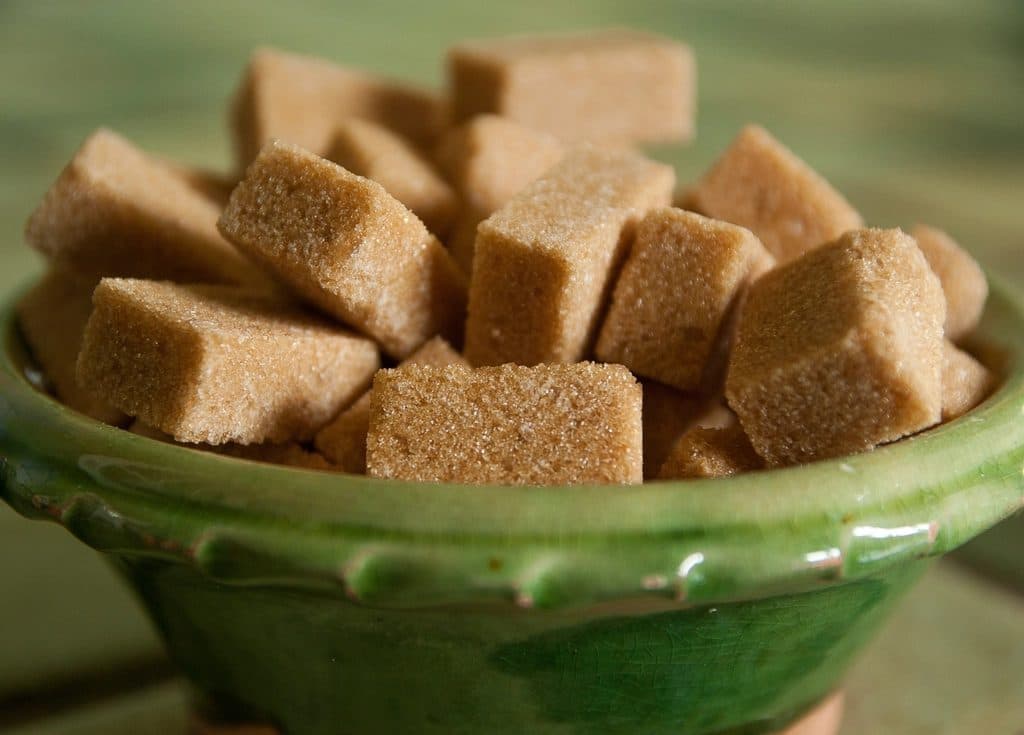
Most of us measure sugar by the two cubes we drop into a glass of tea. In reality, most of the sugar we get through a day arrives from products we would never call sweet — bread, sauces, packet soups, "fruit" yoghurt. This article shows where sugar hides and how to spot it.
The World Health Organization recommends keeping added sugar below 10% of daily energy, and ideally below 5%. For an average adult that is roughly 6 teaspoons (25 grams) a day. One bottle of a fizzy drink exceeds it on its own.
What does sugar actually do?
The blood-sugar loop
Sugar without fibre enters the bloodstream very quickly. The insulin response peaks, blood sugar then falls sharply, and an hour or two later you are hungry again. Repeated through the day, this loop causes both overeating and energy slumps.
The "empty calories" problem
Sugar provides energy but no vitamins, minerals or fibre. The larger sugar's share of your diet becomes, the less room is left for food that does something for you — and that is the core of the problem.
Why liquid sugar is a special case
The body does not "count" calories from liquids the way it counts them from solid food. After a glass of juice you still eat the same meal. That is why sugary drinks are the single most problematic category.
Dental health
The most direct and fastest effect. Here frequency matters more than quantity: eating something sweet six times across the day is worse than eating the same amount in one sitting.
Where sugar hides

None of the following reads as "sweet", yet together they fill most of a day's sugar budget:
| Product | Approx. added sugar | In teaspoons |
|---|---|---|
| 500 ml fizzy drink | 50-55 g | 12-13 |
| Fruit yoghurt (150 g) | 15-20 g | 4-5 |
| Packaged juice (250 ml) | 20-25 g | 5-6 |
| Ketchup (2 tablespoons) | 8 g | 2 |
| Sweetened cereal (40 g) | 10-12 g | 2-3 |
| Energy bar | 15-20 g | 4-5 |
| Jam (1 tablespoon) | 10 g | 2.5 |
Note this: eat just three of these in a day and you have already doubled the recommended limit — without touching a single dessert.
Sugar's ten other names on a label
Manufacturers split sugar across several different names so each one sinks further down the ingredient list. Learn to recognise them:
- Glucose-fructose syrup / corn syrup
- Dextrose, maltose, sucrose, lactose
- Invert sugar
- Fruit juice concentrate
- Malt extract
- Molasses
- Nectar (agave, date and similar)
Honey, date syrup and cane sugar may be "natural", but to the body they are still sugar. The difference is in trace minerals, and that difference is small.
Realistic ways to cut down
- Start with drinks. This is the biggest and easiest win. Replace fizzy drinks and packaged juice with water, unsweetened tea or ayran.
- Sweeten yoghurt yourself. Buy plain yoghurt and add fresh fruit. You control the sugar, not the manufacturer.
- Reduce tea sugar gradually. Rather than quitting outright, go from two cubes to one over two weeks, then to half. Taste receptors adapt.
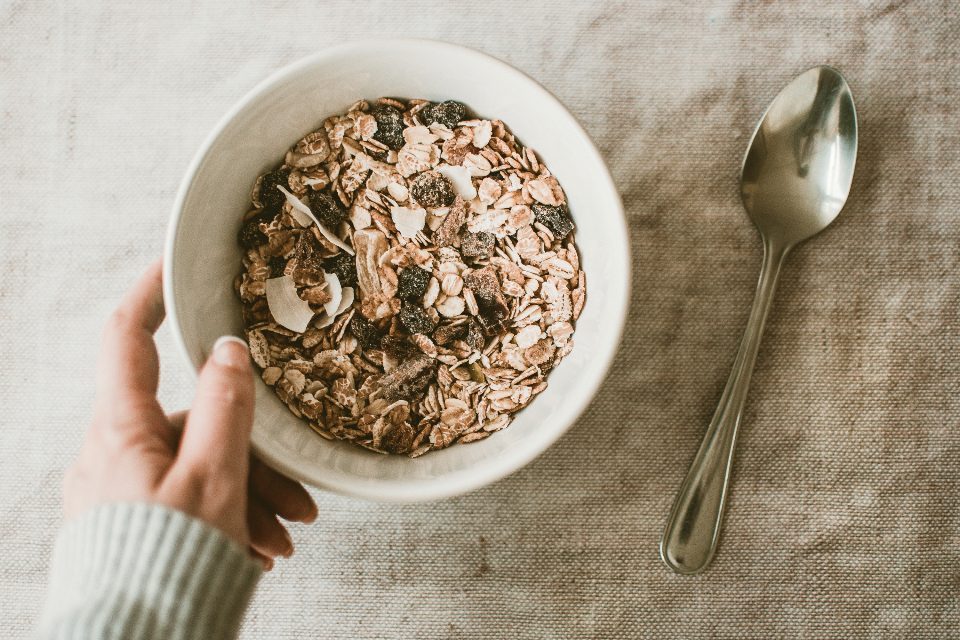
- Change breakfast. Oats, eggs or bread and cheese instead of sweetened cereal noticeably reduces sweet cravings for the rest of the day.
- Read your sauces. Ketchup, barbecue and sweet chilli are among the most active sources of hidden sugar.
Away from home, sugar mostly arrives through drinks and dessert. Swapping the drink for water, sharing a dessert and asking for sweet sauces on the side are three easy decisions. More in healthy choices at a restaurant.
Are sweeteners the answer?
Sweeteners lower calories and are better than sugar for your teeth. But there are two limits: they do not change the fact that the product is heavily processed, and they keep the habit of a very sweet palate alive. The long-term goal is to lower the overall level of sweetness, not to replace one sweetness with another.
This article is general information. If you have diabetes or are being treated for anything related to blood sugar, agree any dietary change with your doctor.
Frequently asked questions
How much sugar per day is acceptable?
The World Health Organization recommends under 10% of daily energy, and under 5% for additional benefit. For an average adult that is roughly 6 teaspoons, or 25 grams, of added sugar.
Is the sugar in fruit harmful?
No. Sugar in whole fruit comes with fibre, water and micronutrients and is digested very differently. The guidance concerns added sugar, not fruit. Fruit juice is the exception — the fibre is gone.
Is honey healthier than sugar?
It contains some trace minerals, but in terms of its effect on blood sugar it is still sugar. "Natural" is not a licence for unlimited use.
Why do I get irritable when I cut sugar?
Some discomfort in the first few days, as blood sugar settles and the habit changes, is normal and usually passes within a week or two. Reducing gradually rather than quitting abruptly makes this stage much easier.