Healthy foods: 12 things worth eating every day
We read something about healthy foods every day, yet it usually comes down to one stubborn question: what do I actually eat for lunch today? This article promises you no scales, no calorie tables and no diet. It just shows the foods that make a real difference on your table — and how to find them when you eat out.
The healthiest foods are not expensive superfoods — they are vegetables, legumes, whole grains, fish, nuts, olive oil and unsweetened dairy. The benefit comes not from any single one of them, but from eating them regularly and together.
What makes a food healthy?
It is not the name of a food that makes it healthy, it is the balance inside it. Three simple questions tell you most of what you need:
- How processed is it? The shorter the road from soil to plate, the better. That is precisely the difference between cooked beans and a ready-made bean product.
- Does it still contain fibre? Fibre slows digestion, prevents sharp blood-sugar spikes and keeps you full for longer.
- What is it replacing? If you eat oats instead of sweet biscuits for breakfast, the gain is bigger than the oats themselves.
In other words, healthy eating is not a list of bans — it is a swapping game. Once that clicks, the whole thing gets much easier.
The healthy foods worth eating every day
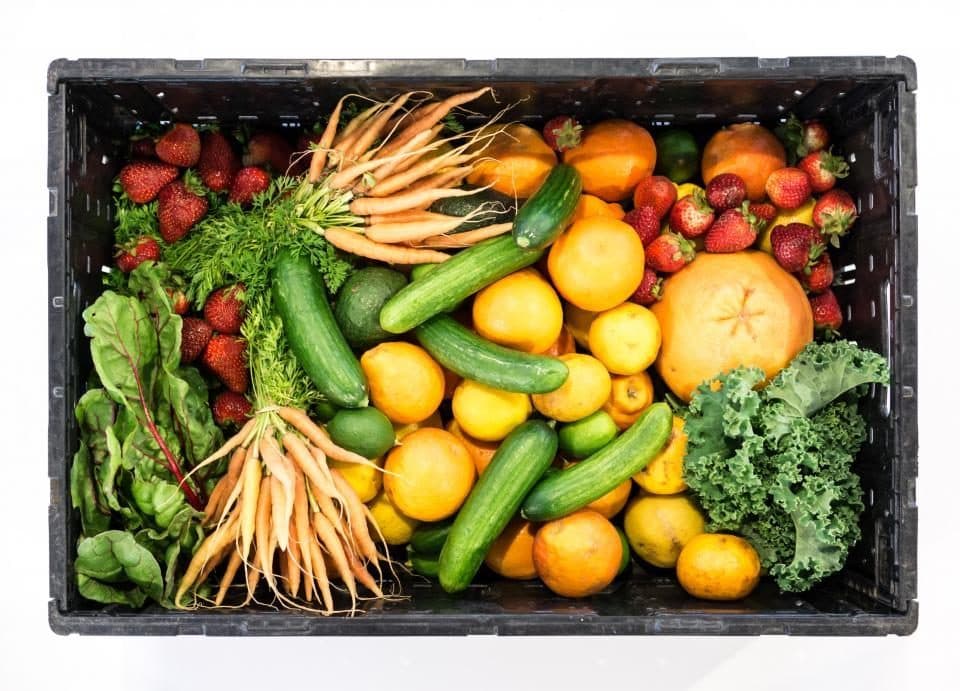
1. Vegetables and greens — at least half a plate a day
The World Health Organization recommends at least 400 grams of fruit and vegetables per day. That is less than it sounds: a handful of greens, a tomato-and-cucumber salad and one apple already cover it.
This is one of the quiet strengths of Azerbaijani cooking — greens are almost always on the table. Basil, dill, coriander and parsley are not decoration; they are a source of fibre, potassium and antioxidants.
2. Legumes — the cheapest protein there is
Lentils, chickpeas, beans. A cup of cooked lentils gives you roughly 18 grams of protein and 15 grams of fibre — as much protein as meat, with almost no saturated fat.
It is also the most budget-friendly healthy food on the shelf. When meat prices climb, moving two or three meals a week to legumes helps your wallet and your body at once.
3. Whole grains — the replacement for white bread
| Instead of this | Choose this | Why? |
|---|---|---|
| White bread | Wholemeal bread | Three to four times more fibre |
| White rice | Brown rice, bulgur | Raises blood sugar more slowly |
| Sweetened breakfast cereal | Porridge oats | No added sugar |
| White-flour pasta | Wholegrain pasta | Keeps you full longer |
4. Fish — once or twice a week
Living on the shore of the Caspian and rarely eating fish is a missed opportunity. Oily fish (herring, mackerel, salmon) is the best source of omega-3 fatty acids, and their importance for heart health has been confirmed by decades of research.
The cooking method is what matters: grilled or oven-baked fish is good for you; fish coated in flour and deep-fried is a different dish altogether.
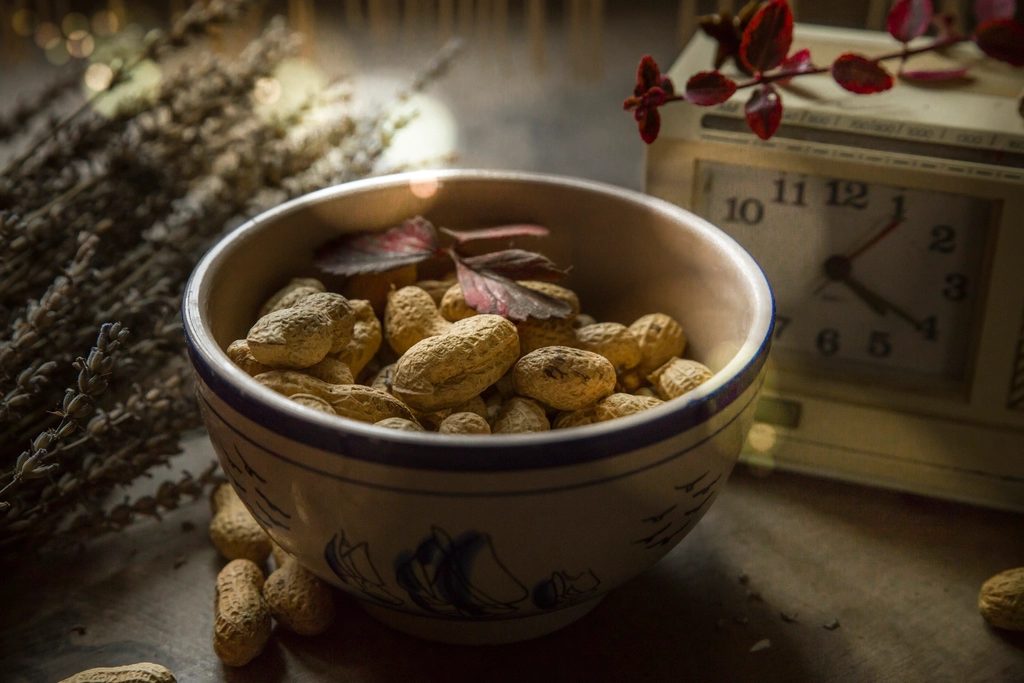
5. Nuts — one handful a day, no more
Walnuts, almonds and hazelnuts provide healthy fats, magnesium and fibre. They are also calorie-dense, so about 30 grams — one handful — is the sweet spot. Choose plain ones over salted and roasted.
6. Olive oil
Dressing your salad with olive oil is one of the simplest and most effective changes you can make. It is the backbone of Mediterranean-style eating, the most thoroughly studied dietary pattern for heart health.
7. Yoghurt and fermented foods
Yoghurt, ayran and curd support your gut flora and supply calcium. There is one condition: no added sugar. A single pot of fruit yoghurt sometimes carries four or five teaspoons of it. We go into detail in the harms of sugar and where it hides.
The most common mistakes
- Confusing "eating less" with "eating well". Starving through the day and overeating at night is worse than eating normally all day.
- Avoiding fat completely. Olive oil, nuts, avocado and fish oil are things your body needs. The problem is not fat itself — it is trans fats and heavy frying.
- Not counting drinks. Sweet tea, fizzy drinks and packaged juices deliver a lot of added sugar without making you feel full.
- Never reading labels. "Fitness", "bio" and "natural" guarantee nothing. Look at the first three items in the ingredient list — that is what the product really is.
This article is general information and does not replace medical advice. If you have diabetes, cardiovascular disease, a chronic condition, or you are pregnant, plan your diet together with your doctor.
How to find healthy food in a restaurant
Controlling what you eat at home is easy. The real test starts at the restaurant — and that is where most people lose the thread. A few practical rules:
- Look for "grilled", "baked", "steamed", "chargrilled" on the menu. "Fried", "breaded" and "creamy" are advance warnings about fat and calories.
- Ask for the dressing on the side. The salad itself may be 80 calories; the dressing 300.
- Do not hesitate to swap the side. Salad or bulgur instead of chips is possible in most places.
- Share the large portions. It is a health decision and a budget one.
We walk through reading a menu step by step in how to choose healthy food at a restaurant, and we collected the places in Baku where those options genuinely exist in restaurants in Baku for healthy eating.
A simple one-week start
Trying to change everything at once almost always fails. For one week, try only this:
| Day | One single change |
|---|---|
| 1-2 | Add a handful of nuts or a bowl of yoghurt to breakfast |
| 3-4 | Replace white bread with wholemeal |
| 5 | Order a salad with lunch, no exceptions |
| 6 | Eat fish once |
| 7 | Swap the fizzy drink for water or unsweetened tea |
Look back after seven days: your diet has already changed considerably, and you gave nothing up.
Frequently asked questions
Is healthy food expensive?
No. Most of the genuinely useful foods — lentils, beans, seasonal vegetables, oats, eggs, yoghurt — are among the cheapest things you can buy. What is expensive are imported products marketed as superfoods, and none of them are compulsory.
Do I have to cut carbohydrates completely to lose weight?
No. What matters is the type: carbohydrates in whole grains, legumes and vegetables are digested very differently thanks to their fibre. What is worth cutting is sugar and white flour.
How many meals a day should I eat?
There is no single answer. Overall quality and portion size matter far more. Three normal meals works; five smaller ones works too — the right pattern is the one you can keep up without ending the day starving.
What if I eat out every day?
That is entirely manageable. Watch the cooking method, ask for sauces on the side, and build at least one meal a day around vegetables and protein. Checking the menu online before you go is the single most effective trick.