The harms of fast food: what happens after one burger
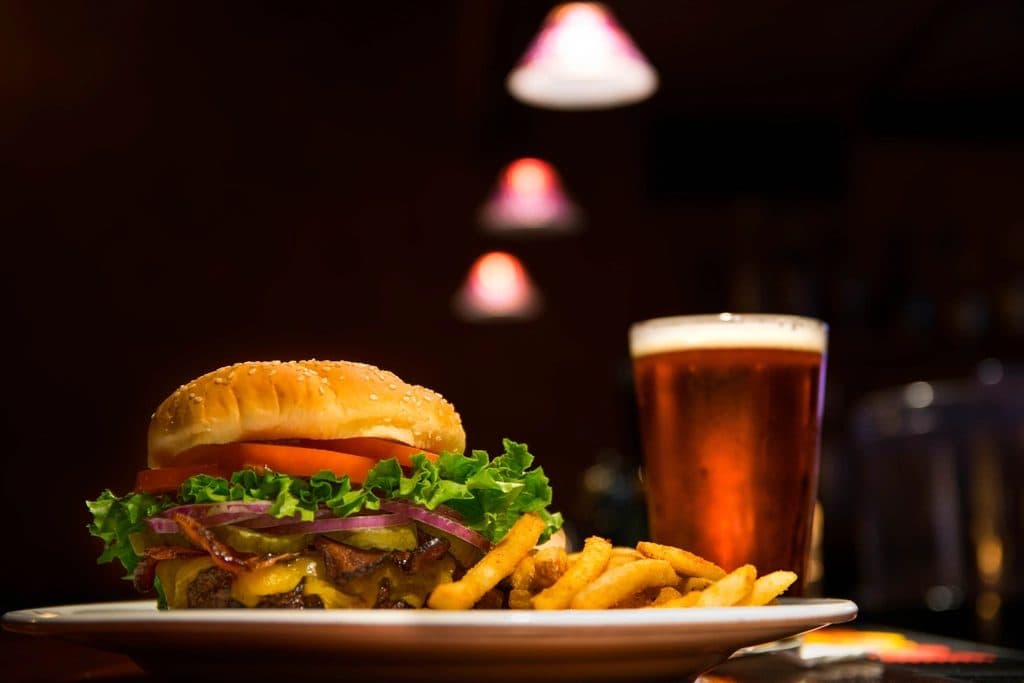
Everyone knows fast food is bad for you. But "bad for you" is abstract, and abstractions stop nobody. This article gets concrete: what happens in your body, hour by hour, after one burger meal — and where that leads once it becomes a habit.
A single fast food meal often delivers your entire daily salt allowance, half your daily calories and a serious dose of saturated fat on its own. One meal is not the problem — the problem is repeating it several times a week.
What happens after one fast food meal?
The first 20 minutes
The sugary drink and the white-flour bun push blood sugar up quickly. The pancreas responds with a large release of insulin. At this point you feel energetic.
30-60 minutes
The salt load kicks in. A medium burger meal can contain 2-3 grams of sodium, which on its own exceeds the World Health Organization's guidance of 5 grams of salt (about 2 grams of sodium) per day. The body retains water and thirst increases — which is why people drink more after fast food.
1-2 hours
After the insulin peak, blood sugar drops sharply. The result will be familiar: tiredness, scattered attention and hunger returning — usually with a craving for something sweet. This loop is fast food's most hidden problem.
The hours after
A temporary rise in blood triglycerides after a meal high in saturated fat is a normal physiological response. The problem is not the response itself — it is that response becoming permanent.
The core problems with fast food
1. Calorie density versus fullness
One meal (burger + chips + drink) easily reaches 1000-1400 calories. For the same calories you could have two normal meals of chicken, rice, salad and vegetables. That is the gap: fast food gives you a lot of calories and very little fullness.
2. Salt
| Item | Approximate salt | Share of daily limit |
|---|---|---|
| Medium burger | 2-3 g | 40-60% |
| Large chips | 1-1.5 g | 20-30% |
| Sauces (2 sachets) | 0.5-1 g | 10-20% |
| One full meal | 4-5 g | 80-100% |
In other words, one meal spends the whole day's salt budget. Anything else you eat that day — bread, cheese, tinned food — pushes you over.
3. Trans fats and reused frying oil
Deep-frying reheats the same oil many times over, and the compounds this produces are a long-term concern. On trans fats the position is unambiguous: the World Health Organization is working to remove them from the food supply entirely. More on this in harmful foods.
4. Sugary drinks
The least-noticed and most easily fixed part of the meal. One large cup of a fizzy drink can hold 10-12 teaspoons of sugar. Simply swapping it for water cuts the damage substantially. We do the daily arithmetic in the harms of sugar.
Why it matters more for children
Children's taste habits are still forming. A child who gets used to high salt and sugar early will later find ordinary home cooking bland. On top of that, the same portion is a far bigger load relative to a child's body weight.
The practical approach is not a ban: keep fast food as an occasion rather than letting it become the default.
Ordering smarter when you have no choice
- Swap the drink for water. This step alone removes 150-200 calories and 10 teaspoons of sugar.
- Choose grilled chicken over fried. The same menu usually has both.
- Take the smaller size. Saying no to "make it large" is the cheapest health decision available.
- Go easy on sauces. Two sachets often add more than 100 calories.
- Add a salad if there is one. Fibre improves fullness.
When you need to eat fast, fast food is not the only option. Kebab with salad, chicken soup, a doner with light sauce or a simple sac is usually just as quick and far better balanced. You can browse restaurants near you on Harada Oturaq.
Frequently asked questions
Is fast food once a week harmful?
If the rest of your diet is decent, once a week does not create a real problem. The evidence looks at frequency and the overall picture, not at single meals.
Are the chips worse than the burger?
Often yes, because of the deep frying and the salt. If you have to drop one item from the meal, the chips are the logical place to start.
Is "chicken is healthier" true?
Only if the cooking method changes too. Breaded, deep-fried chicken may be no better than a beef burger. Grilled chicken genuinely is the better choice.
What should I do after a fast food meal?
No special "detox" is needed. Drink water, build the next meal around vegetables and protein, and add some light activity such as a walk. The most important thing is simply returning to your normal routine the next day.