Azerbaijani tea culture and teahouses
In Azerbaijan tea is not a drink — it is the language of conversation, hospitality and time. Tea is the first thing offered to a guest, deals are settled over it, and meetings with friends stretch out around it. This article covers why the armudu glass has that shape, how to recognise properly brewed tea, and what a teahouse actually is.
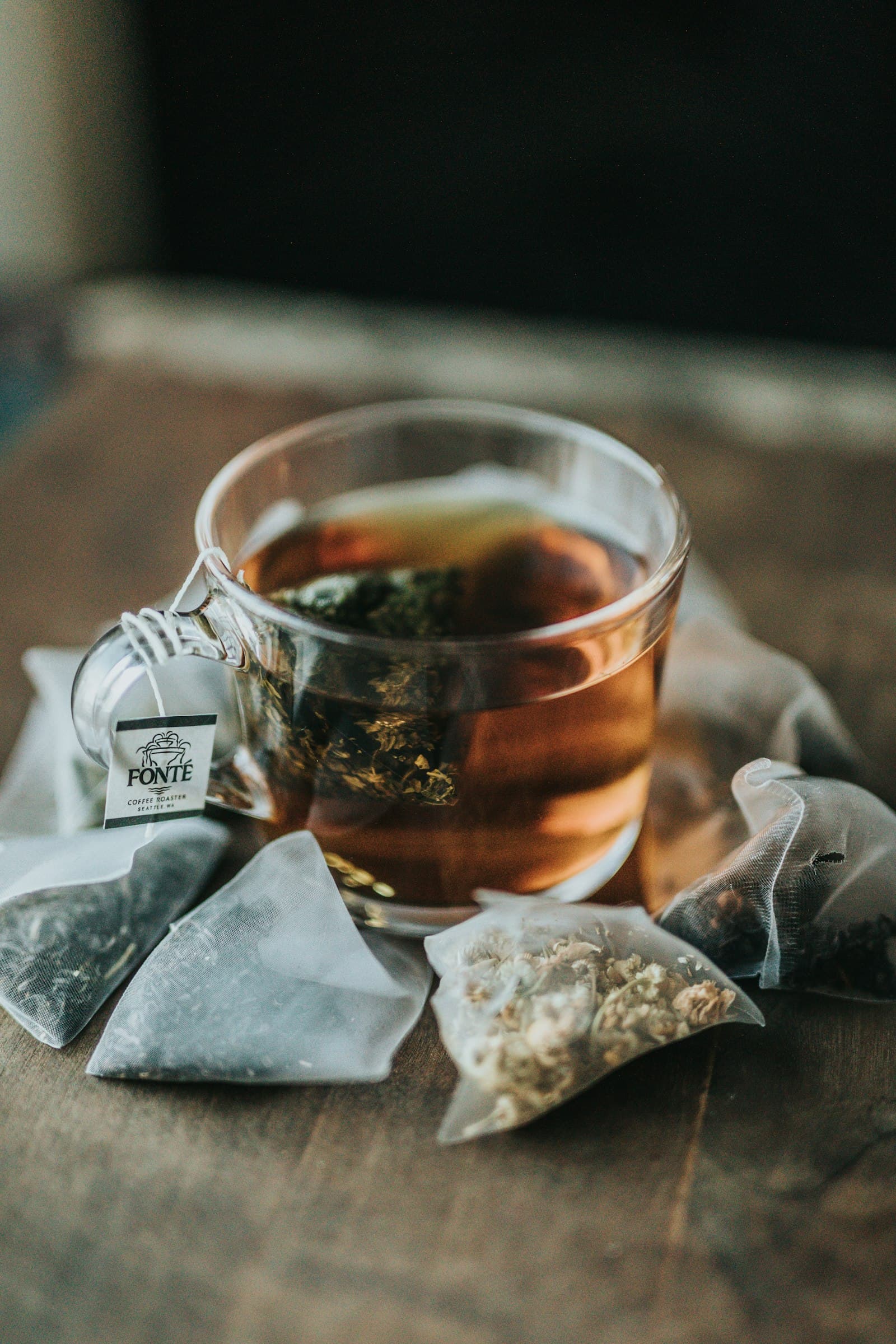
Azerbaijani tea is strongly brewed black tea, served in a pear-shaped armudu glass. Sugar does not go into the tea — sugar or jam is taken separately, a practice called "dishləmə". Lemon, thyme or cinnamon may come alongside.
Why the armudu glass is shaped that way
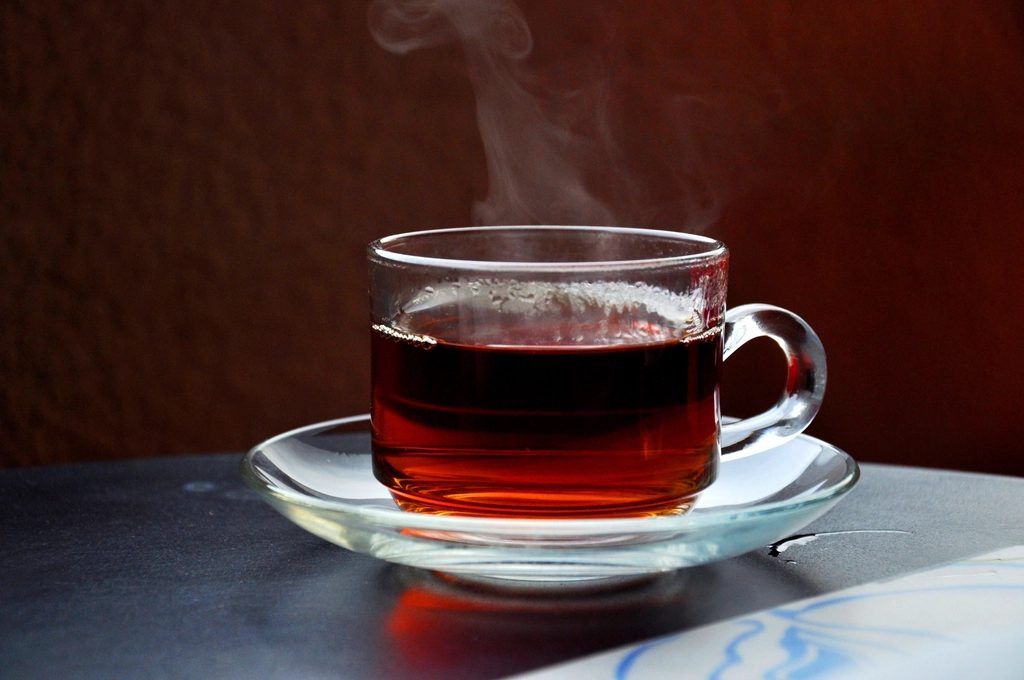
The shape of the armudu glass is not decorative — every curve has a function:
- The narrow waist keeps the lower part hot while the top cools faster — so the first sip does not burn and the last is not cold.
- The wide mouth releases the aroma and shows the colour.
- Clear glass lets you see that colour — in Azerbaijan the colour of the tea is the main measure of quality.
- The small volume (100-150 ml) guarantees the tea is always fresh and hot. When a glass is finished, another is poured.
What properly brewed tea looks like
- Two vessels (the samovar method). Water boils below while a strong concentrate brews in the pot above. When pouring, you choose the ratio of concentrate to hot water.
- Colour. A proper brew is deep ruby — not black, but reddish-brown. Held to the light, you should be able to see through it.
- Brewing time. Four to six minutes. Brewed longer, tea turns bitter.
- Never reboiled. A concentrate that has cooled and been boiled again loses its flavour; teahouses refresh it constantly.
What is served with tea
| Accompaniment | Why |
|---|---|
| Jam (fig, walnut, cherry, white cherry) | The classic "dishləmə" — the tea is not sweetened, the jam is eaten separately |
| Lump sugar | Broken with the teeth and taken with the tea — the traditional way |
| Lemon | Opens the aroma, softens the strength |
| Thyme, cinnamon, ginger | Winter variations |
| Sweets (baklava, shakarbura) | For holidays and guests |
More on the sweets in eastern sweets and baklava.
What is a teahouse?
A chaykhana is not simply a place that sells tea — it is part of the city's social infrastructure. In a traditional teahouse:
- There is no time limit. Sitting for hours over one glass is normal.
- Backgammon and chess are part of the table.
- Conversation is the main "menu"; food is secondary.
- Prices are low — the teahouse is open to everyone.
Alongside this tradition, modern tea houses have appeared in recent years: different varieties, brewing methods, herbal and fruit blends. Neither replaces the other — they are different experiences.
Tea and health
Black tea is rich in antioxidants and contains practically no calories. The problem is not the tea — it is the sugar taken with it.
Five or six glasses a day, at two lumps each, easily comes to 10-12 teaspoons of sugar. That is double the World Health Organization's daily guidance. We do the arithmetic in the harms of sugar.
There is no need to give up tea. Limit the jam to one spoon, cut the sugar gradually, and take the last tea of the day unsweetened. After two weeks the palate adapts and the flavour of the tea itself opens up.
The best time to drink tea
- After a meal — the traditional and most common moment.
- Not with the meal — tannins in tea can reduce the absorption of plant-based iron. A 30-40 minute gap is generally recommended.
- Late evening — black tea contains caffeine, so a weaker brew is better in the evening for anyone who sleeps lightly.
Frequently asked questions
Why is sugar not put in the tea?
In the traditional "dishləmə" method the sugar is eaten separately so the colour and flavour of the tea stay intact. It also naturally reduces sugar intake — sweetness fades as you drink.
What tea is used in Azerbaijan?
Mainly black tea. There is domestic production in the Lankaran-Astara region; beyond that, imported Ceylon and Indian teas are widespread.
What can you order in a teahouse?
A traditional teahouse mainly offers tea and sweets; some also serve qutab, dolma and simple dishes. Modern tea houses have a much wider selection of tea varieties.
How many glasses a day is normal?
For a healthy adult, three to five glasses of black tea is generally not a problem. What matters more is caffeine sensitivity and how much sugar comes with it.